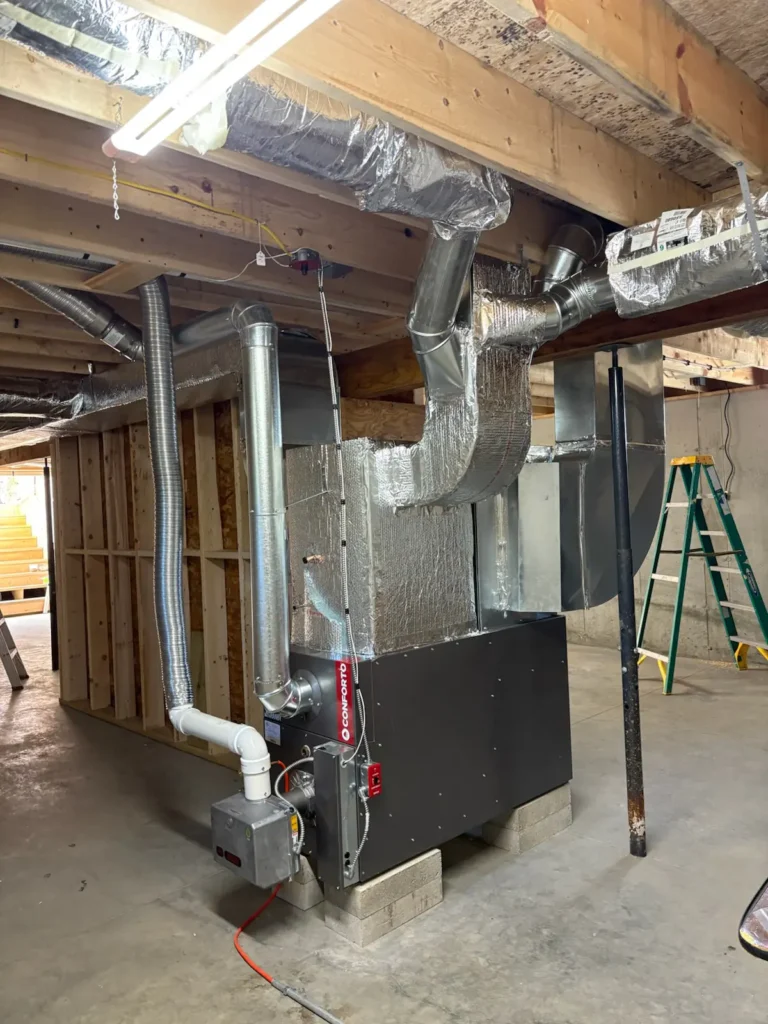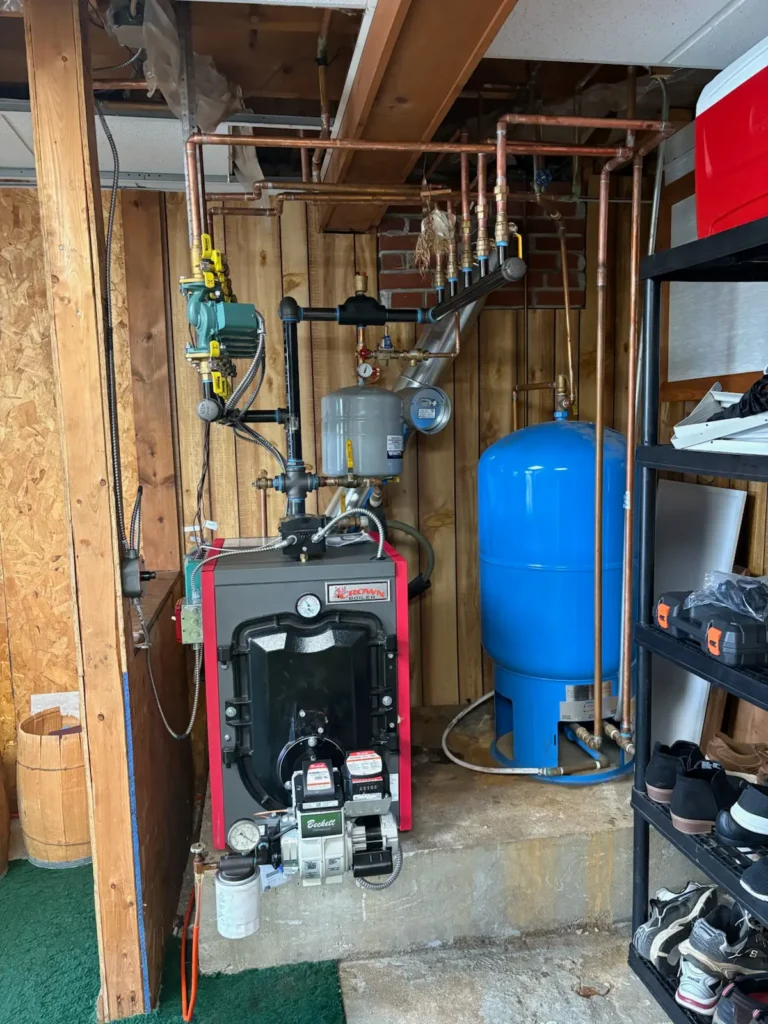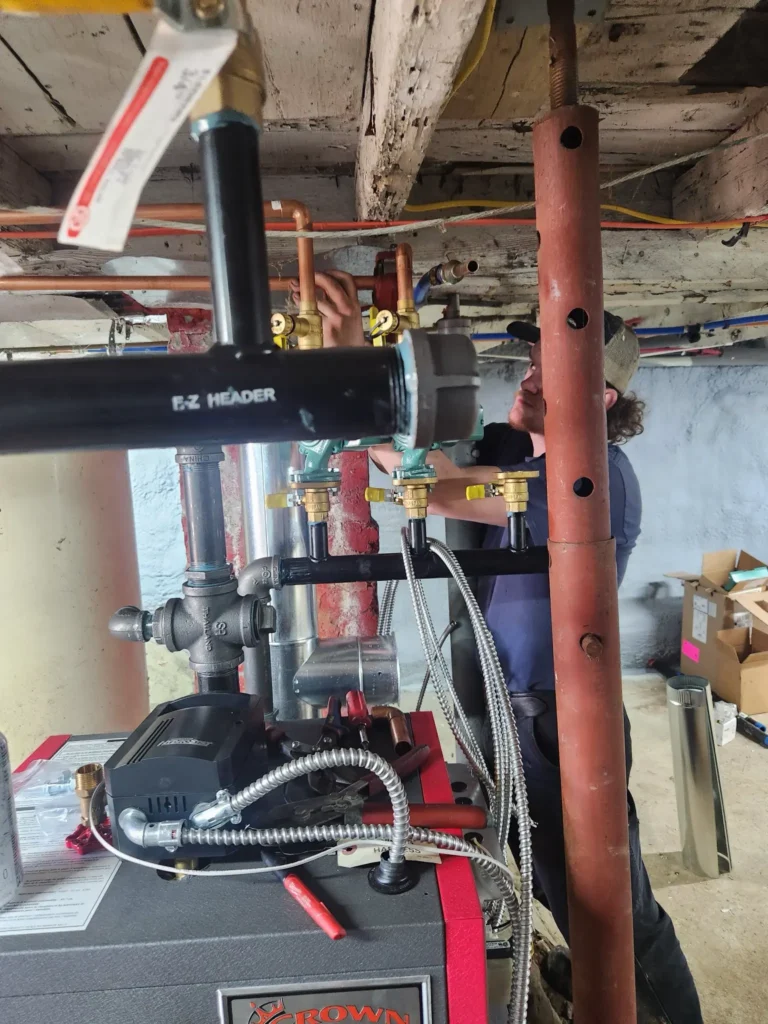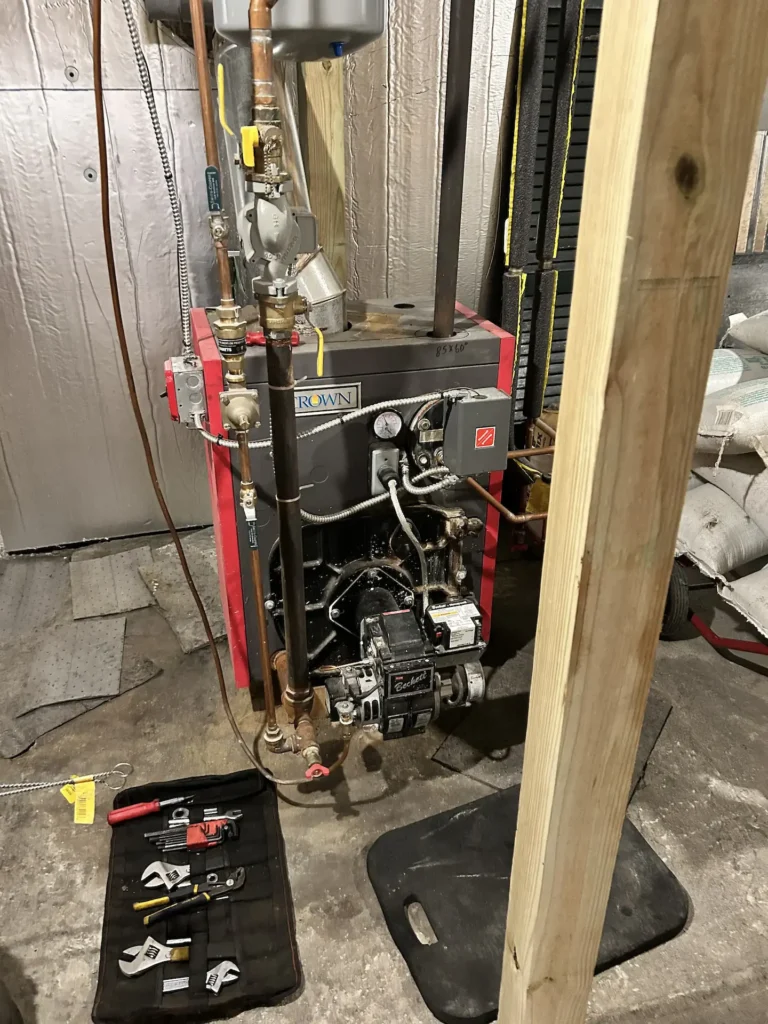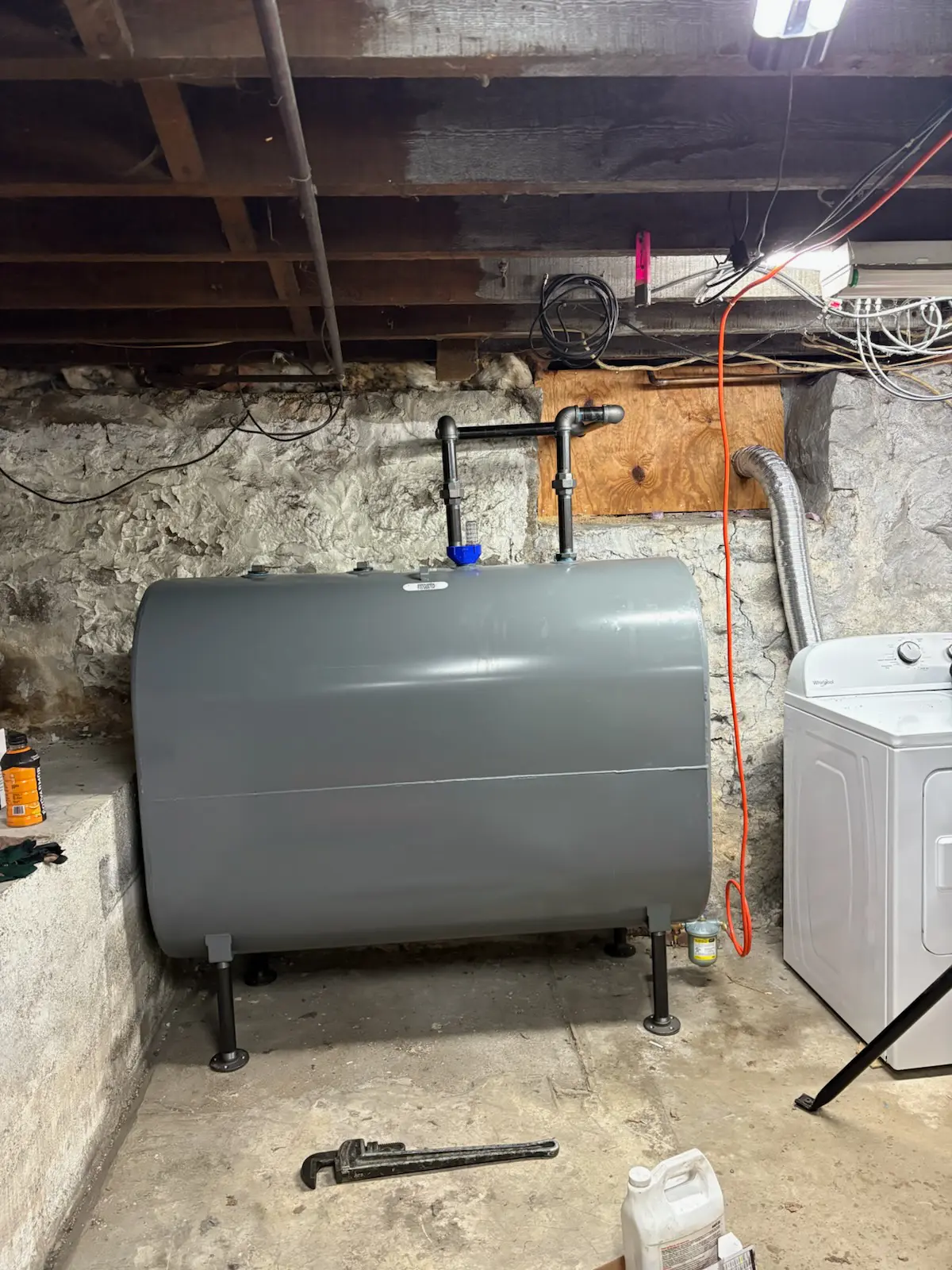
When your oil tank is aging, leaking, or showing signs of corrosion, prompt replacement isn't just a matter of convenience—it's a matter of safety and environmental protection. At Northwoods Heating LLC, we provide professional fuel tank installation and replacement services for homeowners and businesses throughout northern New Hampshire.
An old or failing oil tank puts your home, your property, and the environment at risk. Leaks can contaminate soil and groundwater, result in costly cleanups, and create serious liability issues. We make the process straightforward: we'll assess your existing tank, help you select the right replacement, and handle the entire installation to ensure it's safe, code-compliant, and built to last through decades of harsh New Hampshire winters.

Most steel oil tanks have a lifespan of 15-20 years. If yours is approaching or past that range, proactive replacement is far less expensive—and less stressful—than dealing with a failed tank during heating season.
Surface rust is cosmetic, but pitting, flaking, or deep corrosion on the tank body or fittings is a serious warning sign. These are indicators that the tank wall may be compromised and at risk of leaking.
Oily residue, wet spots, or a persistent petroleum smell near your tank are red flags. Even small seeps can escalate quickly and lead to soil contamination that's expensive to remediate.
If your fuel supplier or insurance company has flagged your tank, or if you've been told it won't pass inspection, it's time to replace it. Delaying puts your coverage—and your heating supply—at risk.
Tanks installed inside basements or in close proximity to water sources may need to be upgraded or relocated to meet current codes. We'll assess your setup and recommend the safest solution.
Running out of oil faster than expected can indicate a slow leak you haven't detected yet. If your consumption doesn't match your usage, a tank inspection should be your first call.
Selling a home with an aging or non-compliant fuel tank can complicate—or derail—a sale. Replacing the tank before listing protects your home's value and removes a common point of negotiation.
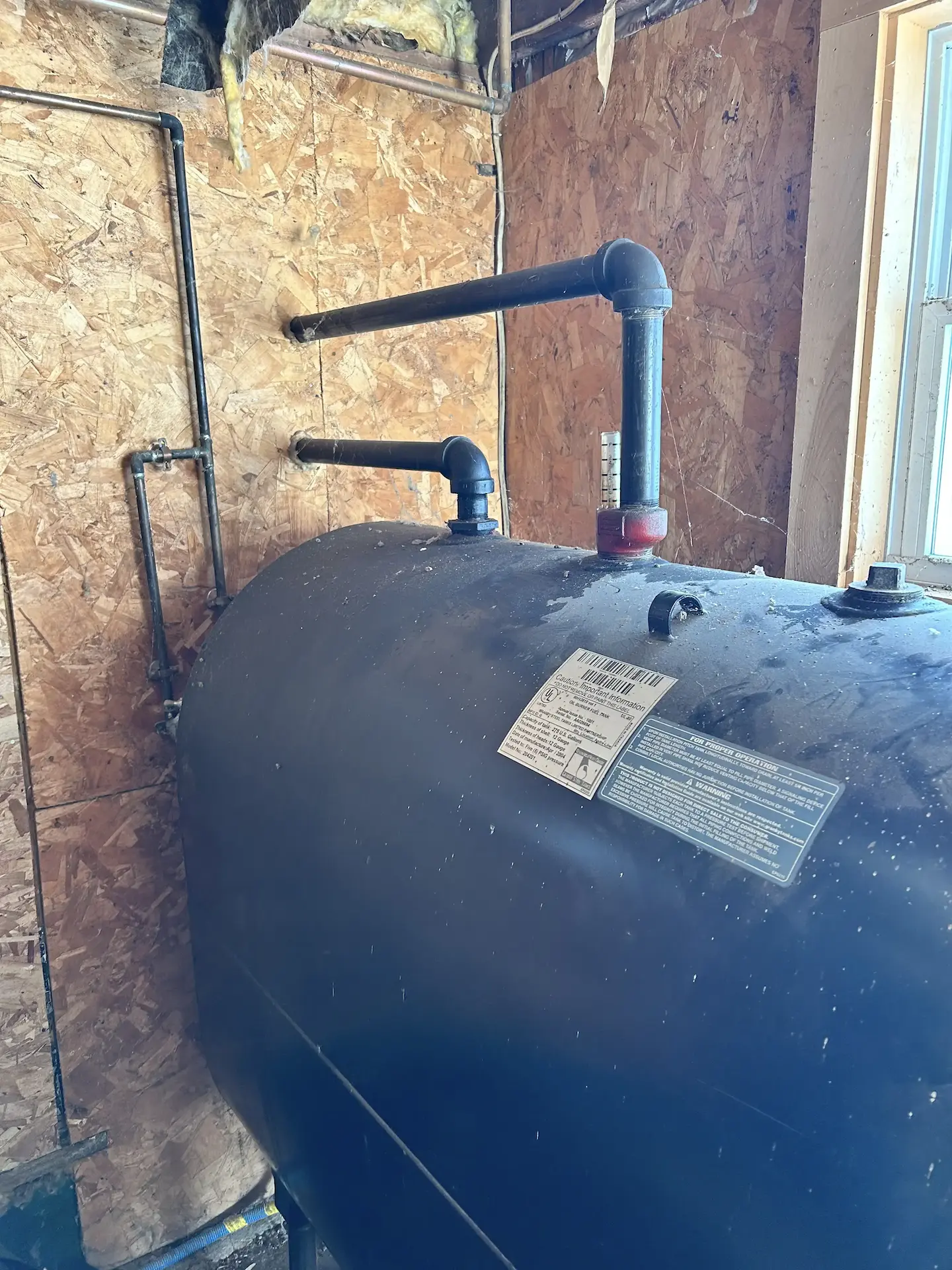
Step 1: Assessment & Recommendation
We start by evaluating your current tank, its location, condition, and how it fits your heating system. We'll discuss your options—tank size, material, placement—and recommend the right solution for your home and budget. No pressure, just straightforward advice from a local expert.
Step 2: Detailed Proposal & Scheduling
You'll receive a clear, written proposal that outlines the scope of work, equipment, timeline, and total cost. Once approved, we schedule the job at a time that works for you, typically within 1-2 weeks.
Step 3: Safe Removal & Professional Installation
Our certified technicians handle every aspect of the job: safely draining and removing your old tank, installing your new tank in compliance with all state and local codes, reconnecting fuel lines to your heating system, and ensuring all fittings and connections are secure and leak-free.
Step 4: Testing & Final Walkthrough
Before we leave, we inspect every connection, test the system, and confirm there are no leaks or issues. We'll walk you through your new tank, explain routine inspection practices, and make sure you feel confident in your new setup.
And surrounding northern New Hampshire communities.
Not sure if we service your area? Give us a call at (603) 348-4251.
Most residential oil tank replacements are completed in a single day. The exact timeline depends on the tank's location, accessibility, and whether any additional work is needed to bring lines or fittings up to code. We'll give you a clear estimate during your consultation.
Fuel tank installation costs vary based on tank size, material, location, and the complexity of your setup. Most residential replacements in northern NH range from $1,500 to $3,500 including equipment, labor, and disposal of the old tank. We provide transparent, written quotes with no hidden fees.
Tank size depends on your home's heating demand, how often you prefer to schedule deliveries, and available space. Common residential sizes range from 275 to 330 gallons for above-ground tanks. We'll help you select the right size based on your heating system and usage patterns.
Yes. Safe removal and proper disposal of your existing oil tank is included in our service. We handle all of it so you don't have to coordinate with anyone else.
New Hampshire has specific requirements for residential oil tank installation, including setback distances, containment requirements, and permitting. We're fully up to date on all applicable codes and handle the permitting process as part of the job.
In most cases, yes. If your current location meets current code requirements, we'll install the new tank in the same spot. If there are issues with placement, we'll discuss your options and find the best alternative.